Stargaze Eye Care张敏眼科OPTOMETRY

服务项目Our Services

全面眼科检查与系统性疾病眼科检查Comprehensive eye exams & eye exams for systemic disease

全面眼科检查是一次完整的眼睛健康检查,而不只是一次「测视力、配眼镜」。除了测量视力与屈光度数,我们还会评估眼压、眼前节结构与眼底视网膜,许多眼病在您察觉任何症状之前,就已经能在这些检查中被看见。若您本身有糖尿病、高血压、甲状腺或自体免疫疾病,眼底更是全身血管与免疫状况最直接的一扇窗口。A comprehensive eye exam is a full health examination of the eye — not just a vision test for a new pair of glasses. Alongside acuity and refraction, we assess eye pressure, the anterior segment and the retina, where many diseases become visible long before you notice a symptom. If you live with diabetes, hypertension, thyroid or autoimmune disease, the retina is the most direct window onto your vascular and immune health.

检查内容What is included

检查的是眼睛的健康,不只是度数We examine the health of the eye, not just the prescription

一次全面眼科检查同时回答两个问题:您现在看得清不清楚,以及您的眼睛健不健康。前者靠视力与屈光测量得出处方,后者需要检查眼压、角膜、虹膜、晶状体、视神经与视网膜——这些结构一旦出现变化,往往在视力下降之前就已经开始。A comprehensive exam answers two separate questions: how clearly you see right now, and whether your eyes are healthy. The first is settled by acuity testing and refraction, which produce your prescription. The second requires examining eye pressure, the cornea, iris, lens, optic nerve and retina — structures that often begin to change well before your vision does.

这正是「配眼镜」与「眼科检查」的分野。视力 20/20 并不等于眼睛健康:青光眼在中晚期之前几乎没有自觉症状,糖尿病视网膜病变早期同样安静无声,而干眼、白内障与黄斑变性则可能被误认为「年纪大了、眼镜该换了」。检查的价值,在于在还有介入空间的阶段发现它们。This is the difference between buying glasses and having your eyes examined. 20/20 vision does not mean healthy eyes: glaucoma causes almost no symptoms until it is advanced, early diabetic retinopathy is equally silent, and dry eye, cataract or macular degeneration are easily dismissed as “getting older, time for new glasses.” The value of the exam is finding these while there is still room to act.

检查结束时您会得到什么What you leave with

  • 一份最新的眼镜或隐形眼镜处方(若需要矫正)。A current spectacle or contact lens prescription, if correction is needed.
  • 一次眼部健康状况的说明:哪些结构正常、哪些需要追踪、哪些需要治疗。A clear account of your ocular health: what is normal, what needs monitoring, what needs treatment.
  • 一份可与您的内科或专科医师共用的检查纪录,作为往后逐年比对的基线。A record you can share with your physician or specialist, and a baseline for year-on-year comparison.
  • 以中文或英文——您最自在的语言——完整解释一遍上述内容。All of the above explained in full, in Chinese or English, whichever you prefer.
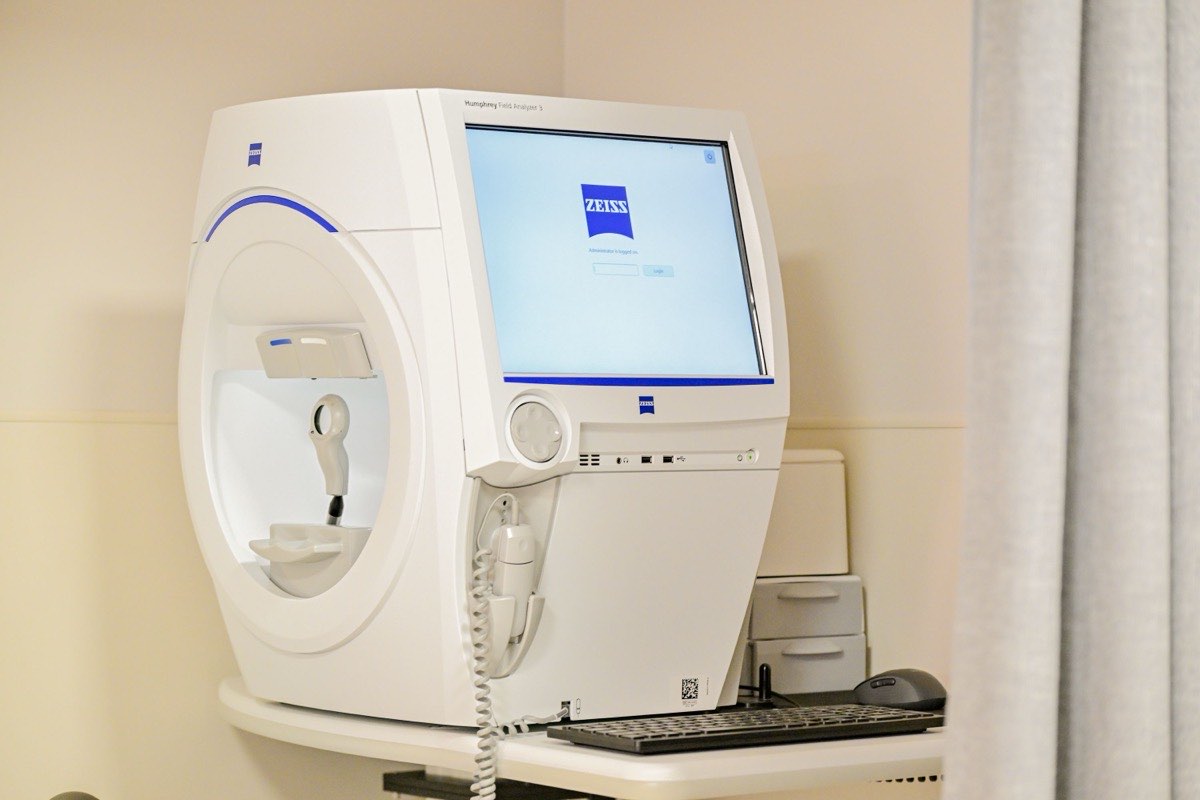
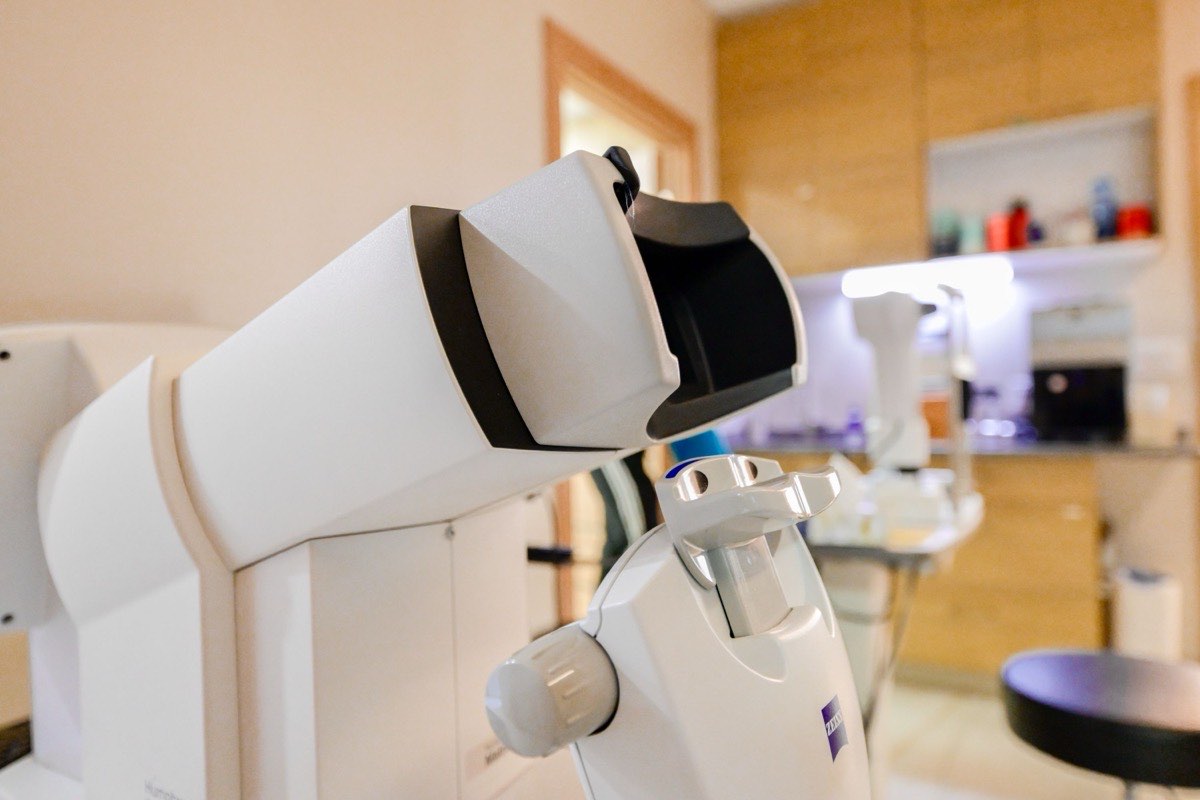
张敏眼科明亮的检查室,配备视野分析仪与检查椅

一次全面检查的完整流程What happens during your exam

以下是标准的检查顺序。医师会依您的年龄、症状与既有疾病增加必要项目,例如视野检查或超广角眼底摄影。This is the standard sequence. Your doctor adds further tests — visual field testing or ultra-widefield retinal imaging, for example — according to your age, symptoms and medical history.

  1. 病史与症状问诊History and symptoms先了解您的用眼习惯、目前的困扰(视物模糊、眼干、头痛、飞蚊、夜间眩光等)、全身疾病与用药,以及家族中的眼病史。这一步决定了后面要重点检查什么。We start with how you use your eyes, what is troubling you (blur, dryness, headaches, floaters, glare at night), your systemic conditions and medications, and any family history of eye disease. This step determines what the rest of the exam focuses on.
  2. 视力测量Visual acuity分别测量左右眼在裸眼与配戴现有眼镜时的视力,作为本次检查的起点,也用来比较与上次检查之间的变化。We measure each eye unaided and through your current glasses. This is the starting point for the exam and the basis for comparison with your last visit.
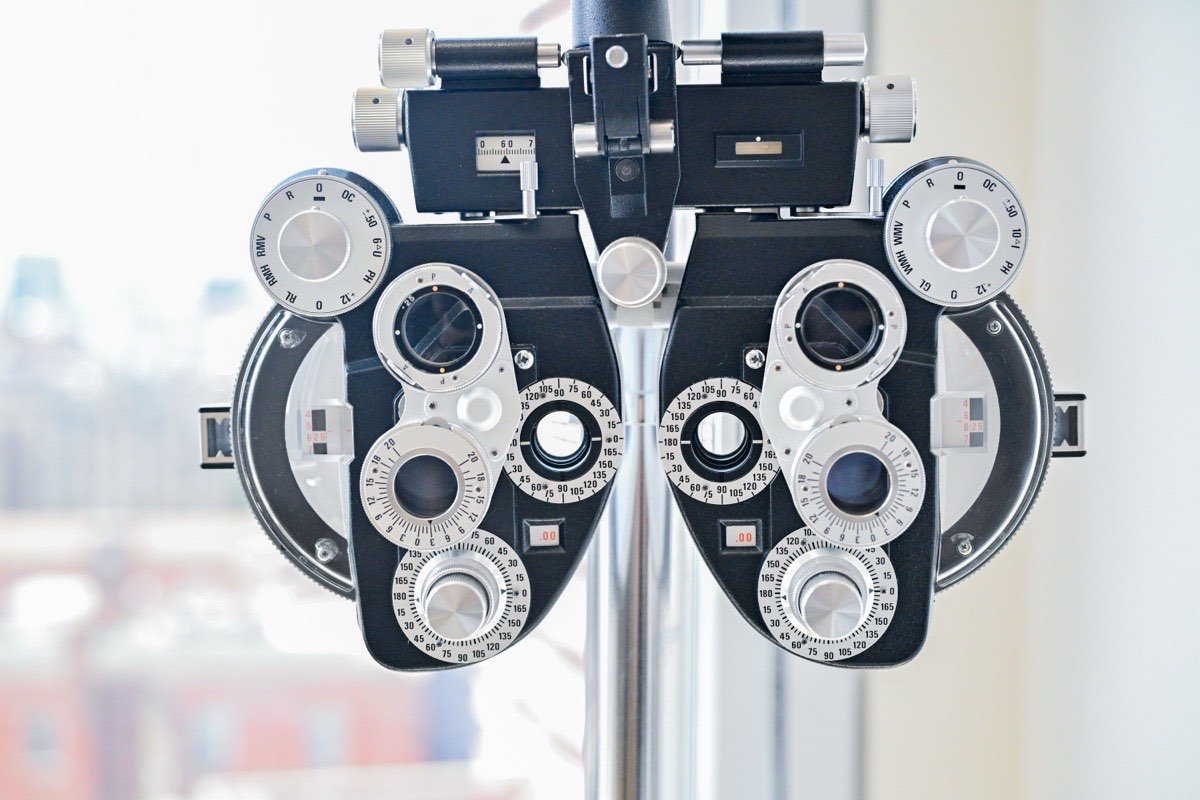
  3. 屈光检查:用综合验光仪确定处方Refraction with the phoropter在综合验光仪上逐片比较镜片,请您回答「哪一个更清楚」,据此精确定出近视、远视与散光的度数与轴位。这一步同时会检查双眼协调与调节功能,这是长时间近距离用眼者疲劳的常见来源。On the phoropter we compare lenses one at a time and ask which is clearer, refining the power and axis for myopia, hyperopia and astigmatism. We also check how the two eyes work together and how well they focus — a frequent source of fatigue in heavy near-work.
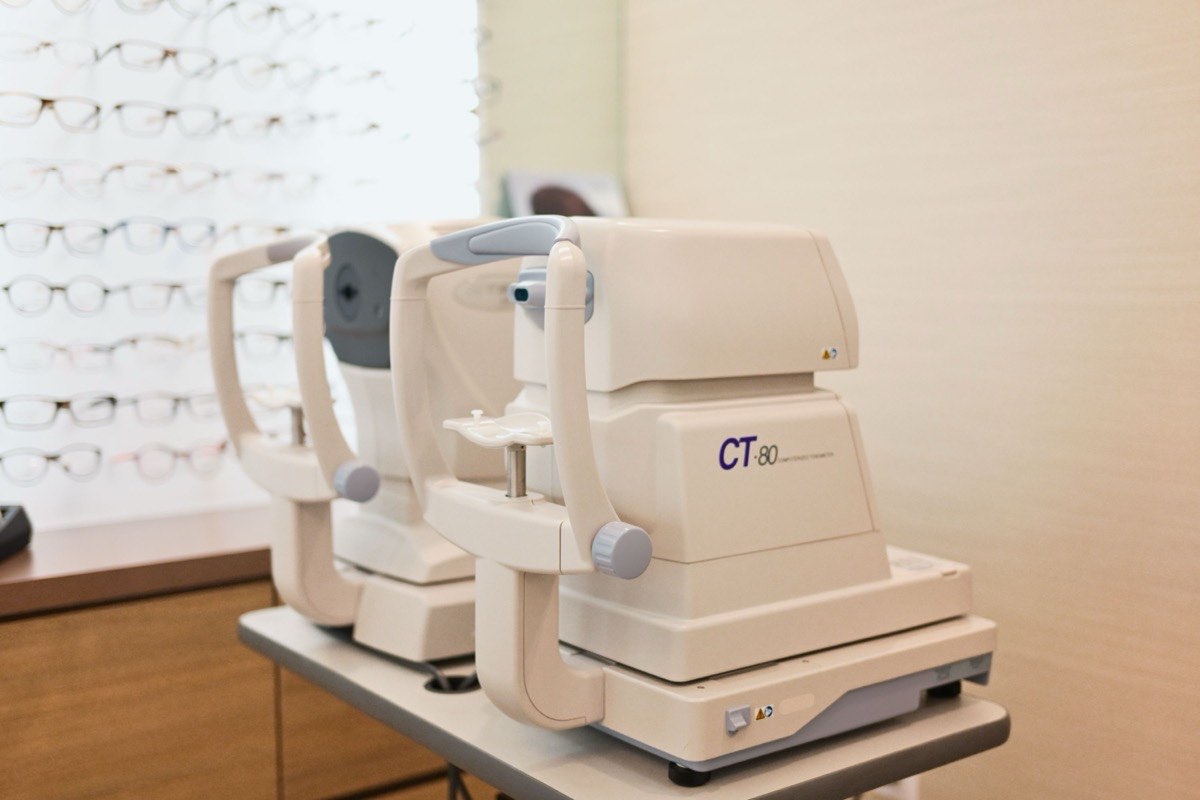
  4. 眼压测量Eye pressure measurement以非接触式眼压计(CT-80)用一股轻柔气流测量眼内压,无需接触眼球,全程无痛。眼压是青光眼评估中不可省略的一环,但眼压正常并不排除青光眼,因此仍需结合视神经与视野的检查结果判断。A non-contact tonometer (CT-80) measures intraocular pressure with a gentle puff of air — nothing touches the eye and it is painless. Pressure is an essential part of glaucoma assessment, but a normal reading does not rule glaucoma out, so it is always read together with the optic nerve and visual field findings.
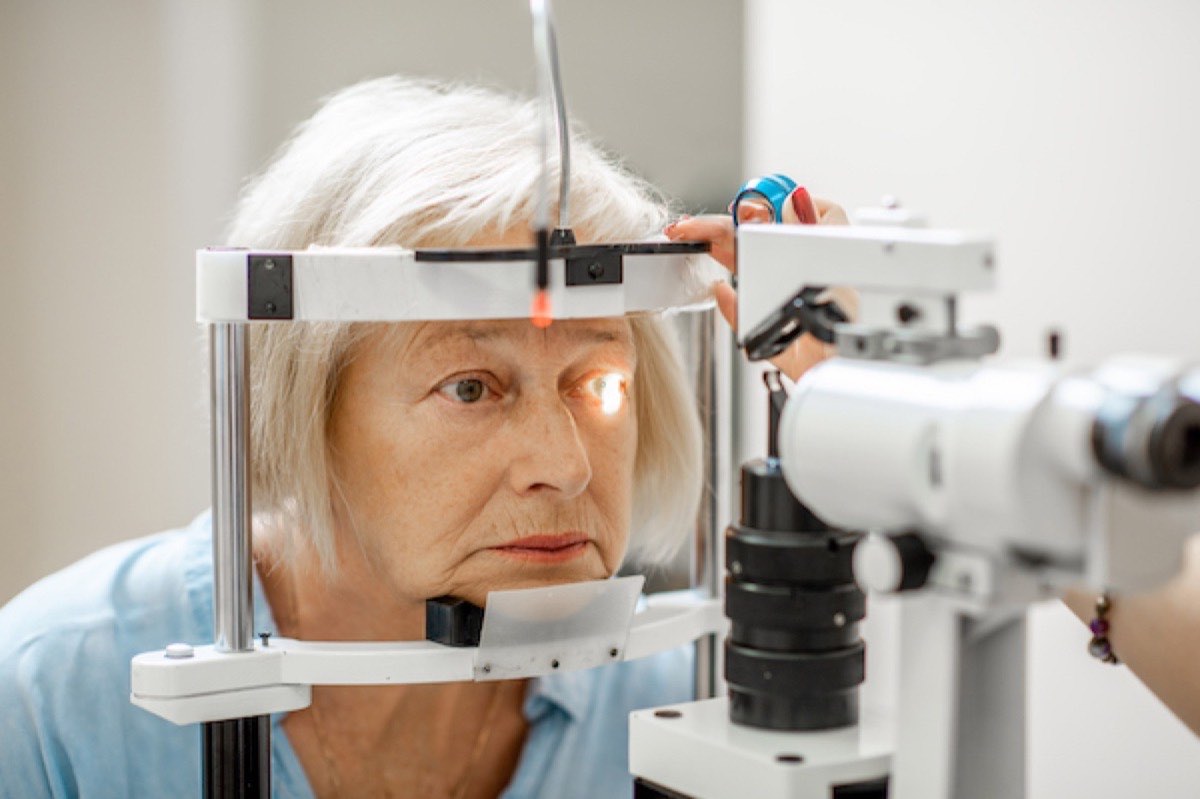
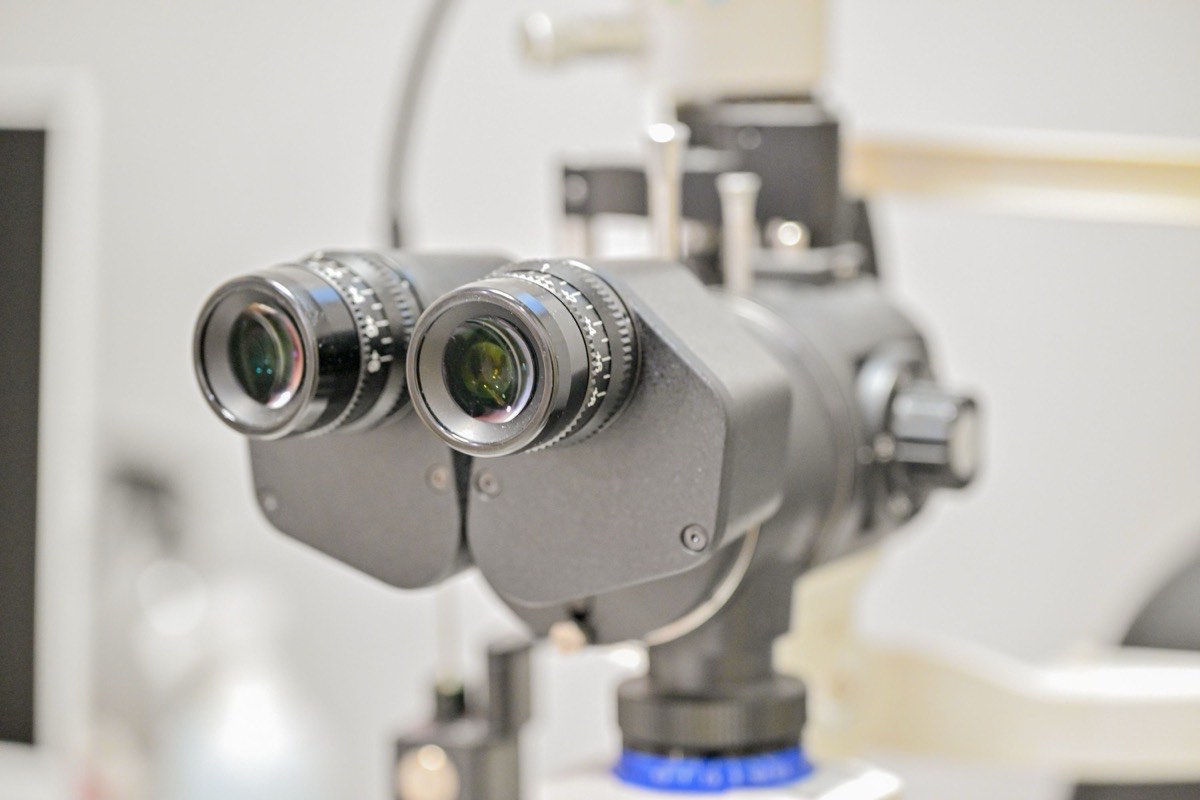
  5. 裂隙灯眼前节检查Slit-lamp examination of the anterior segment在高倍放大与细窄光带下逐层检查眼睑、睫毛根部、泪膜、结膜、角膜、前房、虹膜与晶状体。干眼、睑板腺功能障碍、隐形眼镜引起的角膜变化、早期白内障与眼部发炎,都是在这一步被看见的。Under high magnification and a narrow beam of light we examine the lids and lash line, tear film, conjunctiva, cornea, anterior chamber, iris and lens layer by layer. Dry eye, meibomian gland dysfunction, contact-lens-related corneal change, early cataract and intraocular inflammation are all identified here.
  6. 眼底与视网膜评估Retinal and fundus evaluation检查视神经、视网膜血管、黄斑与周边视网膜。我们配备 Optos 超广角眼底相机,多数情况下无需散瞳即可取得涵盖近 97% 视网膜范围的高清影像;医师会依状况决定是否仍需散瞳,或加做视野检查与断层扫描。We assess the optic nerve, retinal vessels, macula and peripheral retina. Our Optos ultra-widefield camera captures high-definition images covering nearly 97% of the retina, in most cases without dilation; your doctor will decide whether dilation, visual field testing or tomography is still needed.
  7. 与您逐项说明检查结果Reviewing the findings with you最后医师会以中文或英文——您最自在的语言——把每一项结果说明清楚:处方有没有变化、眼睛哪些部分健康、有没有需要追踪或治疗的发现、下一步该怎么做。您可以随时提问,直到完全明白为止。Finally your doctor goes through every finding with you in Chinese or English, whichever you are most comfortable with: whether your prescription changed, which parts of the eye are healthy, what needs monitoring or treatment, and what to do next. Ask as many questions as you need.
裂隙灯显微镜的双目目镜与调焦部件特写

哪些人需要全面眼科检查Who a comprehensive exam is for

简单的答案是:每个年龄层都需要,只是重点不同。以下说明属一般性建议,实际的检查与复查间隔会在检查后由医师依您的状况与家族史与您一同定下。The short answer is: every age group, for different reasons. The guidance below is general — the right schedule for you is set with your doctor after the exam, based on your findings and family history.

儿童与学生Children and students

孩子不会主动说「我看不清」——他们会以为世界本来就是这样。学校视力筛查只测远距视力,无法发现远视、散光、双眼协调不良或近视正在快速加深。看不清黑板、看书跳行、眨眼揉眼、写作业时头愈来愈低,都值得安排一次完整检查。Children rarely say they cannot see — they assume the world looks that way for everyone. A school screening tests distance vision only and misses hyperopia, astigmatism, poor binocular coordination and fast-progressing myopia. Trouble seeing the board, skipping lines while reading, frequent blinking or rubbing, or a head dropping closer to homework all warrant a full exam.

长时间使用屏幕的上班族Working adults with heavy screen use

每天面对屏幕八小时以上,眼睛的调节系统几乎没有休息,眨眼次数也明显减少。常见的酸涩、干痛、下午视物模糊、傍晚头痛,有时来自未矫正的轻度度数或散光,有时来自泪膜不稳定或双眼协调不足——这三者需要检查才能分辨,处理方式也完全不同。Eight or more hours a day on screens leaves the focusing system with almost no rest and cuts your blink rate sharply. The familiar soreness, dryness, afternoon blur and evening headaches may come from a small uncorrected refractive error, an unstable tear film, or a binocular coordination problem — telling them apart requires an exam, and each is managed differently.

隐形眼镜配戴者Contact lens wearers

隐形眼镜直接贴附在角膜上,长期配戴需要定期确认角膜的透氧状况、泪膜品质与镜片贴合度是否仍然合适。角膜的早期缺氧变化、新生血管与细微上皮损伤都没有症状,只能在裂隙灯下看到。配戴者的检查也因此比一般人更需要按时进行。Contact lenses sit directly on the cornea, so long-term wear calls for regular checks of corneal oxygenation, tear film quality and whether the fit is still right. Early hypoxic change, new vessel growth and fine epithelial damage produce no symptoms and are visible only under the slit lamp — which is why wearers should keep to their exam schedule.

40 岁以上的成年人Adults over 40

四十岁前后,晶状体的弹性逐渐下降,看近处开始吃力,这就是老花(老视)。同一时期也是青光眼、糖尿病视网膜病变与早期黄斑变性开始出现的年龄段——它们几乎都没有早期症状。因此这个阶段的检查有两层意义:解决看近的问题,同时为眼底与视神经留下基线纪录。Around 40 the lens gradually loses elasticity and near work becomes an effort — this is presbyopia. The same decade is when glaucoma, diabetic retinopathy and early macular degeneration begin to appear, nearly always without symptoms. So the exam does two jobs at this stage: it solves the near-vision problem and establishes a baseline record of your retina and optic nerve.

年长者Older adults

白内障、青光眼、黄斑变性与视网膜血管疾病的风险随年龄上升,而视力的缓慢下降很容易被当成「年纪到了」而错过治疗时机。视力清晰度同时关系到走路的稳定与跌倒风险,因此在这个阶段,定期检查不只是保护视力,也是维持生活自主与安全的一部分。Risk of cataract, glaucoma, macular degeneration and retinal vascular disease rises with age, and slow visual decline is easily written off as “just getting older,” costing valuable treatment time. Clear sight also underpins steady walking and lower fall risk — so at this stage regular exams protect independence and safety as much as vision.

有系统性疾病或家族病史者Systemic disease or family history

糖尿病、高血压、甲状腺疾病与自体免疫疾病都会在眼部留下可辨识的变化;青光眼、高度近视与黄斑变性则具有明显的家族聚集性。若您属于其中任何一类,眼科检查就不只是视力保健,而是慢性病管理的一部分。Diabetes, hypertension, thyroid disease and autoimmune conditions all leave recognisable changes in the eye, while glaucoma, high myopia and macular degeneration cluster strongly in families. If either applies to you, the eye exam is not simply vision care — it is part of managing a chronic condition.
系统性疾病眼科检查Eye exams for systemic disease

系统性疾病的眼科检查Eye exams for systemic disease

眼底是全身唯一可以在不做任何侵入性操作的情况下,直接观察到活体血管与神经组织的部位。正因如此,糖尿病、高血压等全身性疾病对微细血管造成的损伤,往往最早在视网膜上被看见——而且通常发生在患者感觉到任何视力变化之前。The retina is the only place in the body where living blood vessels and nerve tissue can be observed directly, without any invasive procedure. That is why damage from systemic conditions such as diabetes and hypertension is often first seen in the retina — and usually before the patient notices any change in vision at all.

这项检查的重点与一般视力检查不同:我们并不只关心您需要几度的眼镜,而是仔细评估视网膜血管的管径与走向、有无微血管瘤、出血点、渗出物或棉絮状斑,以及视神经与黄斑是否已经受到影响。若您已被诊断有糖尿病、高血压、甲状腺或自体免疫疾病,请在预约时告知,并带上目前的用药清单。The focus differs from a routine vision check: rather than only establishing your lens power, we carefully assess the calibre and course of the retinal vessels, look for microaneurysms, haemorrhages, exudates or cotton-wool spots, and check whether the optic nerve and macula are already affected. If you have been diagnosed with diabetes, hypertension, thyroid or autoimmune disease, please tell us when you book and bring your current medication list.

年长患者正在接受详细的眼底与眼部健康检查

以下是几类最常在眼部留下线索的系统性疾病,以及我们在检查中会特别注意的地方。These are the systemic conditions that most often leave clues in the eye, and what we look for in each.

糖尿病与糖尿病视网膜病变Diabetes and diabetic retinopathy

长期血糖偏高会削弱视网膜微细血管的管壁,使其渗漏、阻塞,进而在视网膜上形成微血管瘤、出血点与渗出物;病程后期眼睛会长出脆弱的新生血管,可能造成玻璃体出血或牵引性视网膜脱离。关键在于:早期糖尿病视网膜病变完全没有症状,视力可以是完好的 20/20。这也是为什么糖尿病患者一般建议每年接受一次含散瞳眼底评估的检查,而不是等到看不清楚才来。若渗漏影响到黄斑(糖尿病性黄斑水肿),视力才会明显下降,此时能保住的空间已经小得多。Sustained high blood sugar weakens the walls of the retinal microvasculature, which then leaks and occludes, producing microaneurysms, haemorrhages and exudates; later the eye grows fragile new vessels that can bleed into the vitreous or pull the retina away. The crucial point is that early diabetic retinopathy has no symptoms at all — vision can be a perfect 20/20. This is why an annual exam including a dilated retinal evaluation is generally recommended for people with diabetes, rather than waiting for blurred vision. Once leakage reaches the macula (diabetic macular oedema) sight drops noticeably, and by then there is far less to preserve.

高血压与高血压视网膜病变Hypertension and hypertensive retinopathy

持续偏高的血压会使视网膜小动脉管壁增厚、管径变窄,在检查中呈现动脉细窄、动静脉交叉压迫等特征性变化;血压控制不佳时可出现火焰状出血、棉絮状斑与视神经周围水肿。这些变化反映的其实是全身血管的状态,因此眼底所见常与心脑血管风险相关。最需要警觉的是视网膜血管阻塞——它可能造成突发、无痛的单眼视力丧失,属于需要立即就诊的急症。Persistently raised blood pressure thickens and narrows the retinal arterioles, showing up as arteriolar attenuation and arteriovenous nipping; when control is poor, flame-shaped haemorrhages, cotton-wool spots and swelling around the optic nerve can appear. These changes mirror the state of the vasculature throughout the body, so retinal findings often correlate with cardiovascular and cerebrovascular risk. Most urgent is retinal vascular occlusion, which can cause sudden painless loss of vision in one eye and needs to be seen immediately.

甲状腺眼病Thyroid eye disease

甲状腺功能异常(尤其是格雷夫斯病)可引起眼眶内脂肪与眼外肌的发炎与肿胀,表现为眼球突出、眼睑退缩与闭合不全、眼表暴露而严重干涩、眼球转动时疼痛,以及因眼外肌受累而出现的双影。有时眼部症状还早于甲状腺诊断出现。检查时我们会评估眼睑位置与闭合、角膜暴露与泪膜状况、眼球运动,以及视神经是否受到压迫——后者是需要及时处理的情况。Thyroid dysfunction — Graves' disease in particular — can inflame and swell the orbital fat and extraocular muscles, producing proptosis, lid retraction and incomplete closure, severe dryness from an exposed ocular surface, pain on eye movement, and double vision as the muscles become involved. Sometimes the eye signs appear before the thyroid diagnosis. We assess lid position and closure, corneal exposure and tear film, ocular motility, and whether the optic nerve is being compressed — the last of which needs prompt attention.

自体免疫与发炎性疾病Autoimmune and inflammatory conditions

类风湿性关节炎、干燥症、僵直性脊椎炎、狼疮等自体免疫疾病,以及葡萄膜炎相关的免疫失调,都可能在眼部表现为反覆的葡萄膜炎、巩膜炎、角膜周边溶解或严重的干眼。这类患者的眼部症状可能是疾病活动度上升的最早信号之一。此外,部分用于控制免疫疾病的长期药物(例如某些抗风湿与类固醇药物)本身需要定期眼部监测,因此请务必带上完整用药清单。Rheumatoid arthritis, Sjögren's syndrome, ankylosing spondylitis, lupus and other immune disorders, along with uveitis-associated disease, can present in the eye as recurrent uveitis, scleritis, peripheral corneal melting or severe dry eye. In these patients ocular symptoms may be one of the earliest signals that disease activity is rising. Some long-term medications used to control immune disease — certain antirheumatic drugs and steroids among them — also require periodic ocular monitoring, so please bring a complete medication list.

检查结果会回报给您的医疗团队Findings go back to your medical team

眼部发现只有放回全身的脉络中才有意义。当检查结果与您的全身疾病相关时,我们会在取得您同意后,将眼底所见与评估意见提供给您的家庭医师、内分泌科或风湿免疫科医师,让血糖、血压或免疫治疗的调整能参考眼部的实际状况;若需要进一步的手术或视网膜治疗,我们也会协助转介至相应的专科。An ocular finding only means something in the context of the whole body. When results bear on your systemic condition, we share the retinal findings and our assessment with your primary care physician, endocrinologist or rheumatologist — with your consent — so that adjustments to glucose, blood pressure or immune therapy can take the state of your eyes into account. Where surgery or retinal treatment is needed, we help arrange referral to the appropriate specialist.

有时顺序是反过来的Sometimes it works the other way round

并不是每个人都带着已知的诊断走进诊所。有些患者是因为「看东西有点模糊」来配眼镜,却在眼底检查中被发现视网膜微血管已有糖尿病性的变化,或血管呈现明显的高血压性狭窄——这些人此前并不知道自己血糖或血压有问题。遇到这类情况,我们会说明所见,并建议尽快就医做进一步的内科评估。一次眼科检查,有时确实是全身健康问题被发现的起点。Not everyone arrives with a diagnosis already in hand. Some patients come in for new glasses because things look a little blurry, and the retinal examination reveals diabetic changes in the microvasculature, or clear hypertensive narrowing of the vessels — in people who had no idea their blood sugar or blood pressure was a problem. When that happens we explain what we see and recommend prompt medical follow-up. An eye exam is sometimes genuinely where a systemic problem is first found.

年长伴侣相互依靠微笑,象征长期的全身与眼睛健康照护

支持检查的设备The technology behind the exam

检查的可靠程度,取决于医师的判断与设备能看到的细节。以下是全面眼科检查中最常用到的几项设备。How much an exam can tell you depends on the doctor's judgement and on how much detail the instruments can show. These are the tools used most often in a comprehensive exam.

综合验光仪正面,两侧镜片转盘与刻度环清晰可见
综合验光仪(屈光检查)逐片比对镜片度数,精确测定近视、远视与散光的度数与轴位,并评估双眼的协调与调节功能。Phoropter (refraction)Refines your prescription lens by lens for myopia, hyperopia and astigmatism, and assesses how the two eyes coordinate and focus.
非接触式眼压计置于诊室桌面,背景为镜架展示墙
非接触式眼压计(CT-80)以一股轻柔气流测量眼压,无需接触眼球、无需麻醉,全程无痛,是青光眼评估的基本项目之一。Non-contact tonometer (CT-80)Measures eye pressure with a gentle puff of air — no contact with the eye, no anaesthetic drops, no discomfort. A basic part of glaucoma assessment.
诊室内的蔡司视野分析仪,配有半球形检查罩、显示屏与应答按钮
蔡司 Humphrey 视野分析仪检测您直视前方时能看到的完整范围,找出中央与周边视野中的盲点或敏感度下降区域,是青光眼诊断与长期追踪的关键设备。ZEISS Humphrey visual field analyzerMaps everything you can see while looking straight ahead, revealing blind spots or areas of reduced sensitivity in central and peripheral vision. Central to diagnosing and monitoring glaucoma.
Optos 超广角眼底相机,旁边屏幕显示视网膜影像
Optos 超广角眼底相机一次拍摄即可涵盖近 97% 的视网膜范围,且多数情况下无需散瞳。传统眼底照相难以覆盖的周边视网膜,是糖尿病视网膜病变、视网膜裂孔与周边病变最容易被漏掉的区域,超广角影像也让逐年比对变得更可靠。Optos ultra-widefield retinal cameraA single capture covers nearly 97% of the retina, in most cases without dilation. The peripheral retina that conventional fundus photography struggles to reach is exactly where diabetic retinopathy, retinal breaks and peripheral lesions are most easily missed — and ultra-widefield images also make year-on-year comparison far more reliable.

保险与付款Insurance & payment

我们接受大多数主流视觉保险计划。由于各家保险的承保项目与额度差异较大,建议您在预约时来电告知保险资讯,我们会先为您查询适用情况,避免就诊当天才发现无法使用。We accept most major vision insurance plans. Because coverage and allowances vary widely between plans, we recommend calling us with your insurance details when you book so we can verify your benefits in advance.

若您的检查与糖尿病、高血压等全身疾病相关,承保方式有时与一般视力检查不同。请一并告知您的医疗保险资讯,我们会协助确认。If your exam relates to a systemic condition such as diabetes or hypertension, it is sometimes covered differently from a routine vision exam. Let us know your medical insurance details as well and we will help check.

致电查询保险 917-621-9283Call to check coverage: 917-621-9283

就诊前的准备Preparing for your visit

  • 携带目前使用的眼镜或隐形眼镜,以及保险卡与证件。Bring your current glasses or contact lenses, plus your insurance card and ID.
  • 若手上有旧的验光处方或过去的检查纪录,请一并带来,方便比对变化。Bring any previous prescription or past exam records you have, so we can compare changes.
  • 若正在服用药物,请带上药物清单——部分药物会影响眼压与瞳孔。Bring a list of any medications — some affect eye pressure and pupil response.
  • 若已被诊断有糖尿病、高血压、甲状腺或自体免疫疾病,请告知诊断时间与目前的控制情况。If you have been diagnosed with diabetes, hypertension, thyroid or autoimmune disease, tell us when it was diagnosed and how it is currently controlled.
  • 若家族中有青光眼病史,请主动告知医师,这类眼睛结构问题常有家族聚集性。Tell your doctor about any family history of glaucoma; the underlying structural traits often run in families.
  • 若当天需要散瞳,散瞳后数小时内会怕光、看近处模糊,建议安排他人接送,并带上太阳眼镜。If dilation is needed, you will be light-sensitive and blurry at near for a few hours afterwards — arrange for someone to drive you and bring sunglasses.

医师会在检查前说明是否需要散瞳;多数情况下,Optos 超广角眼底相机已能在不散瞳的状态下取得清晰的眼底影像。Your doctor will tell you before the exam whether dilation is needed; in most cases the Optos ultra-widefield camera obtains clear retinal images without it.

常见问题Frequently asked questions

多久应该做一次眼科检查?How often should I have an eye exam?

一般建议每年进行一次全面眼科检查。若医师怀疑有青光眼等需要追踪的状况,通常会安排每六个月复查一次,以确保及时确诊与治疗。实际的复查间隔会依您的年龄、用眼状况、既有疾病与家族史,由医师在检查后与您一同定下。An annual comprehensive exam is generally recommended. If your doctor suspects a condition such as glaucoma that needs monitoring, follow-up every six months is typical to ensure timely diagnosis and treatment. Your actual interval is set with your doctor after the exam, based on your age, visual demands, existing conditions and family history.

眼科检查一定要散瞳吗?Will my eyes need to be dilated?

不一定。我们配备 Optos 超广角眼底相机,可在无需散瞳的情况下拍摄涵盖近 97% 视网膜范围的高清影像。医师会依您的状况判断是否仍需散瞳做进一步检查。若当天需要散瞳,视力会在数小时内偏模糊、怕光,建议安排他人接送。Not always. Our Optos ultra-widefield camera captures high-definition images covering nearly 97% of the retina without dilation. Your doctor will advise if dilation is still needed for a closer look. If your eyes are dilated, vision will be blurry and light-sensitive for a few hours, so we suggest arranging a ride.

我有糖尿病或高血压,需要另外做眼科检查吗?I have diabetes or hypertension — do I need a separate eye exam?

需要。糖尿病与高血压会损伤视网膜的微细血管,早期通常完全没有症状,只能透过眼底检查发现。这类患者一般建议每年接受一次含散瞳眼底评估的检查,若已出现病变则会依医师判断缩短追踪间隔。请在预约时告知您的诊断与目前用药。Yes. Diabetes and hypertension damage the retinal microvasculature, and in the early stages there are usually no symptoms at all — the changes can only be found by examining the retina. An annual exam including a dilated retinal evaluation is generally recommended, with shorter intervals if changes are already present, as advised by your doctor. Please tell us your diagnosis and current medications when you book.

你们接受哪些保险?Which insurance plans do you accept?

我们接受大多数主流视觉保险计划。由于各家计划的承保范围不同,建议您预约时来电 917-621-9283 告知保险资讯,我们会先为您查询适用情况。We accept most major vision plans. As coverage differs from plan to plan, please call 917-621-9283 with your insurance details when booking so we can verify your benefits first.

诊所提供中文服务吗?Do you offer service in Chinese?

提供。我们的医师与前台皆可使用中文与英文沟通,会以您最自在的语言解释检查结果与治疗方案。Yes. Our doctors and front desk speak both Chinese and English, and will explain your results and treatment options in whichever language you prefer.

营业时间是什么时候?What are your opening hours?

我们周一至周六 10:00–18:00 应诊,周日休息。建议提前致电 917-621-9283 预约。We are open Monday to Saturday, 10AM–6PM, and closed on Sunday. We recommend booking ahead by calling 917-621-9283.

相关服务Related services

检查结果往往会引出下一步:控制孩子的近视、治疗已确诊的眼病,或配一副真正合适的眼镜。An exam usually points to a next step: slowing a child's myopia, treating a diagnosed condition, or fitting eyewear that genuinely works for you.

  • 青少年近视控制Myopia Control for Children

    若检查显示孩子的度数正在加深,可评估角膜塑形镜(Ortho-K)、离焦镜片与低浓度阿托品等管理方案。If the exam shows your child's myopia is progressing, we can evaluate Ortho-K, defocus lenses and low-dose atropine.

    了解青少年近视控制Explore myopia control
  • 眼病诊治Eye Disease Management

    青光眼、白内障、黄斑变性、糖尿病视网膜病变与干眼症的诊断、治疗与长期随访。Diagnosis, treatment and long-term follow-up for glaucoma, cataracts, macular degeneration, diabetic retinopathy and dry eye.

    了解眼病诊治Explore eye disease care
  • 隐形眼镜与处方眼镜Contacts & Prescription Eyewear

    拿到处方之后,由持证配镜师协助挑选镜片与镜架、精准调校,或验配合适的隐形眼镜。Once you have your prescription, our licensed optician helps choose and fit lenses and frames, or fits contact lenses.

    了解隐形眼镜与配镜Explore contacts and eyewear

查看全部六项服务与保险说明See all six services and insurance information

该安排一次全面眼科检查了吗?Ready for a comprehensive eye exam?

无论是例行检查,还是因为糖尿病、高血压等疾病需要眼底追踪,请来电或线上预约。我们会先了解您的状况,再安排合适的检查项目,并以您最自在的语言说明每一项结果。Whether it is a routine check or retinal monitoring for diabetes or hypertension, call or book online. We will discuss your situation first, arrange the right tests, and explain every finding in the language you are most comfortable with.