Stargaze Eye Care张敏眼科OPTOMETRY

服务项目 · 重点项目Our Services · Signature Programme

青少年近视控制Myopia Control for ChildrenMyopia Control for Children

青少年近视控制是一项长期管理服务:先检查孩子目前的视力、屈光状态与角膜数据,建立可以逐年对照的档案,再评估角膜塑形镜(Ortho-K)、离焦镜片或低浓度阿托品滴眼液等方案,并透过定期复查追踪度数变化、及时调整。近视一旦形成无法逆转,但加深的速度可以被减缓——这正是我们介入的重点。Myopia control is long-term management, not a one-off fitting. We first examine your child's vision, refractive status and corneal data to build a record that can be compared year after year, then evaluate options such as orthokeratology (Ortho-K), defocus lenses or low-dose atropine, and track progression through regular follow-up visits. Myopia cannot be reversed once it develops — but the speed at which it worsens can be slowed, and that is where we focus.

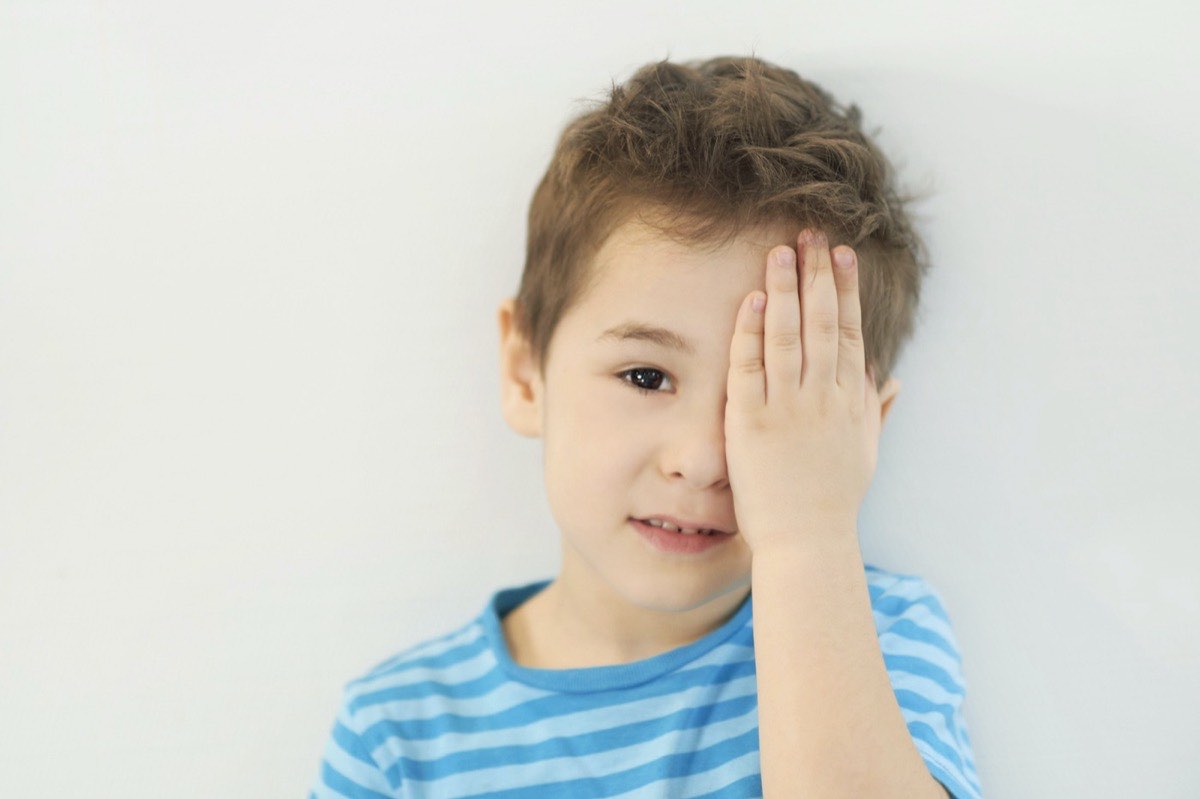
孩子在张敏眼科接受视力与屈光度检查,医师在旁指导

先了解问题Understanding the problem

什么是近视?为什么孩子的度数会一直加深What myopia is, and why it keeps getting worse in children

近视是眼球前后轴(眼轴)相对过长,使远处的光线聚焦在视网膜之前,因此看近处清楚、看远处模糊。孩子的度数之所以会持续加深,关键不在于「眼睛用坏了」,而在于眼球在发育期间仍在继续变长——眼轴每延长一点,近视度数就再深一些。Myopia means the eye is too long from front to back, so light from distant objects focuses in front of the retina: near vision is clear, distance vision is blurred. A child's prescription keeps climbing not because the eyes have been "worn out", but because the eyeball is still elongating as the child grows — every increment of axial length adds more myopia.

这个过程通常在学龄期开始,并在身体快速成长的阶段进展最快。张敏医师在她的眼科健康专栏中指出,人眼的近视程度大约要到二十岁出头才逐渐稳定,因此童年与青少年阶段既是度数最容易加深的时期,也是唯一还能有效介入的时间窗口。Progression usually begins in the school years and moves fastest during periods of rapid physical growth. As Dr. Zhang notes in her published eye-health columns, myopia generally does not settle until the early twenties — which makes childhood and adolescence both the period of fastest progression and the only window in which intervention can still make a difference.

高度近视为什么值得担心Why high myopia is a concern

临床上一般把 -6.00D(约 600 度)以上称为高度近视。眼轴被拉长之后,视网膜与眼球后极部的组织被撑得更薄,日后出现视网膜裂孔与视网膜脱离、青光眼、近视性黄斑病变(视网膜下异常血管增生)等问题的机会都会明显升高。这些风险会随着年龄累积,往往在成年甚至中年之后才显现出来。Myopia beyond about -6.00D is generally classed as high myopia. As the eye elongates, the retina and the tissues at the back of the eye are stretched thinner, and the lifetime risk of retinal tears and detachment, glaucoma and myopic maculopathy (abnormal blood-vessel growth under the retina) rises appreciably. Those risks accumulate with age and often only surface in adulthood or middle age.

所以近视控制真正的目标,不只是让孩子现在看得清楚——配一副眼镜就能做到这件事——而是尽可能把成年后最终的度数与眼轴长度控制在较低的范围,降低一辈子的眼病风险。The real goal of myopia control is therefore not simply clear vision today — a pair of glasses achieves that — but keeping the final adult prescription and axial length as low as possible, and with them the lifetime risk of eye disease.

家长最常注意到的信号The signs parents notice first

孩子通常不会主动说「我看不清楚」。以下这些日常行为,往往比孩子的口头描述更早显示视力出了问题。Children rarely announce that they cannot see clearly. These everyday behaviours often reveal a vision problem long before a child mentions one.

看东西时不自觉地眯眼Squinting to see

眯起眼睛可以暂时让影像清楚一点,是孩子最本能的代偿动作。若在看电视、看黑板或看路牌时经常出现,通常代表远视力已经不足。Narrowing the eyelids sharpens a blurred image for a moment, so it is the most instinctive compensation. Frequent squinting at the television, the whiteboard or street signs usually means distance vision is already inadequate.

越坐越靠近屏幕或电视Sitting closer and closer to screens

把手机、平板拉到眼前,或不断往电视机前移动,是因为近距离时影像才够清楚。这个距离的变化常常是家里最先被察觉的线索。Holding a phone or tablet right up to the face, or edging steadily closer to the television, happens because only near objects still look sharp. That shrinking working distance is often the first clue a family spots.

看远处时歪头、侧着脸Tilting the head or turning to one side

歪头看东西可能是在寻找比较清楚的角度,也可能与散光、两眼度数差异或眼位问题有关,值得一并检查双眼视功能。Tilting the head can be a search for a clearer angle, but it may also point to astigmatism, unequal prescriptions between the eyes or an eye-alignment issue — all worth checking alongside binocular function.

抱怨看不清黑板、抄错作业Can't read the board, copies work down wrong

坐在后排看不清白板、抄错题目或作业本上的数字,甚至被老师提醒上课不专心,背后有时其实是尚未被发现的近视。Not being able to read the board from the back row, copying assignments incorrectly, or even being described as inattentive in class can all trace back to undetected myopia.

眼镜度数一年内换了好几次Prescription changing several times a year

短期内反复换镜、每次都要加深,说明近视正在快速进展。这类孩子最需要的不是再配一副新眼镜,而是一份完整的追踪与管理计划。Repeated changes of glasses in a short period, each one stronger, indicate rapid progression. What these children need is not another new pair of glasses but a proper tracking and management plan.

一眼视力明显较差却毫无察觉One eye much weaker, with no complaint at all

若一只眼睛视力良好,孩子往往完全不知道另一只眼看得很模糊,也就不会开口抱怨。这种两眼差异只能靠检查发现,拖久了较差的那只眼可能影响发育。When one eye sees well, a child often has no idea the other is badly blurred — and so never complains. Such a difference between the eyes can only be found by examination, and if left too long the weaker eye's development may suffer.

为什么越早评估越好Why an early assessment matters

近视一旦形成,无法用眼镜、眼药水、按摩或视力训练「治好」或逆转;真正还能改变的是它加深的速度。越早开始检查与追踪,医师就越能看清孩子的发展趋势,也越有机会在度数还不高的阶段介入。Once myopia has developed it cannot be cured or reversed by glasses, drops, massage or vision exercises. What can still be changed is how fast it progresses. The earlier assessment and tracking begin, the more clearly a doctor can see the trend — and the better the chance of intervening while the prescription is still low.

另一方面,儿童的视力问题不只有近视。远视、散光、两眼度数差异、斜视与弱视都可能在同一次检查中被发现,而其中有些问题(例如斜视与弱视)对介入时机特别敏感。张敏医师在专栏中提醒,斜视最好在七岁之前处理,因为这段时间视神经发育最快。Myopia is also not the only thing to look for. Hyperopia, astigmatism, unequal prescriptions, strabismus and amblyopia may all be picked up in the same examination — and some of them are especially time-sensitive. As Dr. Zhang points out in her columns, strabismus is best addressed before age seven, while visual pathway development is at its fastest.
近视控制评估的完整流程The myopia control assessment, step by step

第一次评估会比一般验光更完整,因为我们要建立的是一份可以长期比对的基线纪录,而不只是一张当天的处方。A first assessment goes further than a routine refraction: the aim is a baseline record you can compare against for years, not just a prescription for the day.

  1. 问诊与视力、屈光度测量History, vision and refraction先了解家族近视史、孩子每天近距离用眼与户外活动的时间、目前眼镜的度数与更换纪录,再测量裸眼与矫正视力,并以综合验光仪确定近视、远视与散光的度数。We start with family history of myopia, how much time your child spends on near work and outdoors, and the record of previous prescriptions — then measure unaided and corrected vision and determine myopia, hyperopia and astigmatism on the phoropter.
  2. 必要时安排散瞳(睫状肌麻痹)验光Cycloplegic refraction where indicated儿童的调节力很强,容易验出比实际更高的度数。当医师判断需要时,会使用睫状肌麻痹剂后再验光,以取得更接近真实的屈光数据;张敏医师在专栏中也建议儿童每年接受一次含散瞳验光的检查。Children have powerful focusing reserves, which can make a prescription measure stronger than it truly is. Where your doctor judges it necessary, refraction is repeated after cycloplegic drops to obtain the truest reading; Dr. Zhang's columns likewise recommend an annual dilated examination for children.
  3. 角膜曲率与角膜地形图Corneal curvature and topography角膜地形图提供三维的角膜形状数据,是判断能否配戴角膜塑形镜、以及镜片如何设计的依据,配戴后也用于确认镜片与角膜的贴合状况。Corneal topography provides three-dimensional data on corneal shape, which determines whether Ortho-K is feasible and how each lens must be designed. It is also used afterwards to confirm how the lens is fitting on the cornea.
  4. 双眼视功能与眼睛健康检查Binocular vision and ocular health检查眼位、斜视与调节聚散功能,并以裂隙灯观察角膜与眼表、以眼底影像确认视网膜状况,排除其他影响视力或不适合某些方案的问题。We assess eye alignment, strabismus and accommodative-vergence function, examine the cornea and ocular surface at the slit lamp, and review retinal imaging — ruling out other causes of reduced vision and any finding that would rule an option out.
  5. 建立可逐年对照的追踪档案Building the tracking record把这次的视力、屈光度、角膜数据与眼底影像整理成基线纪录,之后每次复查都与它对照,看清孩子的度数到底变化了多少、变化得多快。Vision, refraction, corneal data and retinal images are consolidated into a baseline. Every later visit is compared against it, so it is clear exactly how much the prescription has changed, and how quickly.
  6. 与家长和孩子讨论、共同选择方案Discussing and choosing a plan together张敏博士会说明每个方案的原理、需要的配合度与日常护理负担,再依孩子的年龄、度数、角膜条件与生活作息一起决定从哪一个方案开始,并安排下一次复查的时间。全程可用中文或英文说明,让家长与孩子都真正听懂。Dr. Zhang explains how each option works, what cooperation it asks of the child and what daily care it involves, then decides with you — based on age, prescription, corneal findings and daily routine — where to start, and books the next review. Everything is explained in Chinese or English so parents and children both genuinely follow the plan.

若孩子已经在别处配过眼镜或做过检查,请把旧眼镜、处方或检查报告一起带来。历史度数纪录能让医师更快判断进展速度。If your child has been fitted or examined elsewhere, please bring the old glasses, prescriptions or reports. A history of past prescriptions helps the doctor judge the rate of progression much sooner.

我们评估的近视控制方案The management options we evaluate

近视控制没有一种方案适合所有孩子。以下每一项都需要在检查之后,由张敏博士依孩子的度数、角膜条件、年龄与配合程度评估是否合适,并在后续复查中确认效果与调整。No single approach suits every child. Each option below is evaluated by Dr. Zhang after examination — against your child's prescription, corneal findings, age and ability to cooperate — and then reviewed and adjusted at follow-up visits.

角膜塑形镜(Ortho-K)Orthokeratology (Ortho-K)

夜间睡眠时配戴的高透氧硬式隐形眼镜,依角膜地形图为每只眼单独设计,透过温和、暂时地改变角膜弧度来矫正视力,让孩子白天不必再戴眼镜或隐形眼镜;同时也是我们用于减缓度数加深的主要方案之一。适合度需先评估角膜形状、度数范围与日常护理的可行性。Highly gas-permeable rigid lenses worn overnight, custom-designed for each eye from corneal topography. They gently and temporarily reshape the cornea to correct vision, so the child needs no glasses or contacts during the day — and they are one of our main tools for slowing progression. Suitability depends on corneal shape, the range of the prescription and whether daily care is realistic.

离焦软性隐形眼镜与离焦框架镜片Defocus contact and spectacle lenses

这类镜片中央提供清晰的远视力,周边区域则刻意形成离焦影像,改变视网膜周边接收到的光学讯号,用于减缓眼轴继续延长。软性离焦隐形眼镜为白天配戴;离焦框架镜片外观与普通眼镜相近,对还不适合戴隐形眼镜的孩子是负担最小的选择。The centre of the lens gives clear distance vision while the periphery deliberately creates defocus, altering the optical signal reaching the peripheral retina in order to slow further elongation. Soft defocus contact lenses are worn during the day; defocus spectacle lenses look much like ordinary glasses and are the least demanding option for a child not yet ready for contacts.

低浓度阿托品滴眼液Low-dose atropine eye drops

睡前点用的低浓度药水,用于减缓近视发展,也常与光学方案搭配使用。需由医师评估后开立、说明用法,并在复查时确认效果,以及是否出现畏光或近距离视力模糊等反应;浓度与是否继续使用都由医师依孩子的反应调整。A low-concentration drop used at bedtime to slow progression, often combined with an optical approach. It is prescribed only after assessment, with instructions on use, and reviewed at follow-up for effect and for side effects such as light sensitivity or blurred near vision. Concentration and continued use are adjusted by the doctor according to how the child responds.

用眼行为与户外时间指导Visual habits and outdoor time

户外自然光下的活动时间、阅读距离与照明、连续近距离用眼的时长,都会影响近视的发展。张敏医师在专栏中建议孩子每天累积约两小时户外活动,重点是在阳光下而不是在室内;这类调整不能取代上述方案,但成本最低,也对还没近视的孩子有预防作用。Time spent outdoors in daylight, reading distance and lighting, and how long near work continues without a break all influence progression. Dr. Zhang's columns recommend roughly two hours outdoors each day — in daylight rather than indoors. These changes do not replace the options above, but they cost nothing and also help children who are not yet myopic.

我们不会承诺任何固定的「控制百分比」。每个孩子对同一方案的反应不同,实际效果只能靠定期复查、对照视力与度数的变化来判断,必要时更换或合并方案。方案是否适合您的孩子,请经检查后由医师评估。We do not promise a fixed percentage of control. Children respond differently to the same option, so the real effect can only be judged from follow-up visits comparing vision and refraction over time — switching or combining approaches where needed. Whether an option suits your child is a matter for examination and clinical judgement.

深入了解A closer look

角膜塑形镜:白天不戴眼镜的夜戴方案Ortho-K: correcting vision overnight, no glasses by day

角膜塑形镜是一种在夜间睡眠时配戴的硬式高透氧隐形眼镜:睡前戴上、早上取下,被塑形后的角膜让孩子在白天不戴眼镜也能看清远处,也不会有散瞳药物造成的近距离模糊问题。这是许多家长最先来询问的方案,也是张敏博士执业中经常验配的项目之一。Ortho-K lenses are rigid, highly gas-permeable contact lenses worn during sleep: in before bed, out in the morning. The reshaped cornea lets a child see clearly at distance all day without glasses, and without the blurred near vision that dilating drops can cause. It is the option parents ask about first, and one Dr. Zhang fits regularly in practice.

镜片是怎么设计出来的How each lens is designed

每一片镜片都依角膜地形图仪测得的三维角膜数据,为孩子的每一只眼单独设计。原理类似夜间配戴牙齿矫正器:利用角膜本身的可塑性,温和地改变它的弧度,让影像重新落在视网膜上。这个改变是暂时的——停戴一段时间后,角膜会逐渐回到原来的形状。Every lens is designed individually for each eye from three-dimensional corneal topography data. The principle resembles wearing a dental retainer at night: the cornea's own pliability is used to alter its curvature gently so that images fall back onto the retina. The change is temporary — stop wearing the lenses for a while and the cornea gradually returns to its original shape.

配戴、清洁与安全Wearing, cleaning and safety

取戴与清洁的步骤与一般隐形眼镜相似,但必须每天完整做到:使用指定的护理液冲洗与保存(不可用自来水)、按时更换镜盒与镜片,并在出现疼痛、红眼、畏光或视力下降时立即停戴回诊。初期需要一段适应期,孩子的配合度与家长的督导,往往决定了成败。张敏医师也在专栏中强调,角膜塑形镜的验配需要专业训练与完整的后续追踪,并不是拿到镜片就算完成。Handling and cleaning resemble ordinary contact lens care, but must be done fully every day: rinse and store only in the prescribed solution (never tap water), replace the case and lenses on schedule, and stop wearing and return to the clinic at once if there is pain, redness, light sensitivity or reduced vision. There is an adaptation period at the start, and a child's cooperation plus parental supervision often decide the outcome. As Dr. Zhang stresses in her columns, fitting Ortho-K takes specific training and thorough follow-up — receiving the lenses is not the end of the process.

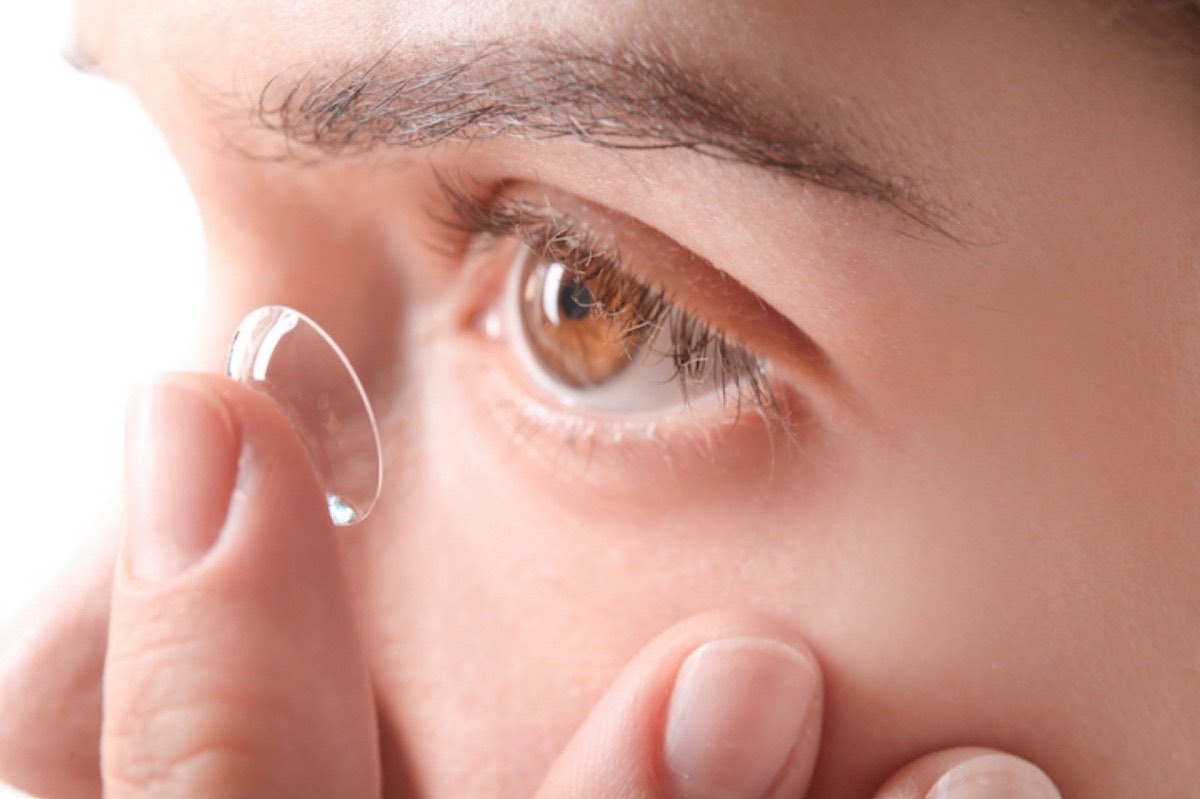
隐形眼镜与护理工具特写,用于角膜塑形镜验配与日常护理说明

定期复查:近视控制真正的重点Regular follow-up: where myopia control is really won

近视控制不是配一次镜片、开一次药水就结束,而是一段需要定期复查的长期管理。孩子的眼睛还在发育,度数与眼轴会持续变化,方案也必须跟着调整。Myopia control does not end with one fitting or one prescription; it is long-term management built on regular review. A child's eyes are still developing, refraction and axial length keep changing, and the plan has to change with them.

复查时,医师会重新检查视力与屈光状态、对照度数变化的趋势,检查角膜与眼睛表面的健康状况(配戴角膜塑形镜或隐形眼镜的孩子尤其重要),并确认镜片配戴或用药的实际情况。复查的间隔会依孩子的年龄、目前的进展速度与所使用的方案而不同,由医师在每次检查后为孩子安排下一次时间。At each review we re-check vision and refractive status, compare the prescription against the record, check the health of the cornea and ocular surface — particularly important for children in Ortho-K or soft lenses — and confirm how the lenses or drops are actually being used. The interval between reviews depends on the child's age, the current rate of progression and the option in use, and is set by the doctor at the end of each visit.

若中途出现视力明显下降、红眼、疼痛、畏光,或孩子表示戴镜不舒服,都不需要等到预定的复查日期,请提前回诊。If vision drops noticeably, or there is redness, pain, light sensitivity or any discomfort with the lenses, there is no need to wait for the scheduled date — please come back sooner.

所有数据都留在同一份追踪档案里,家长可以清楚看到孩子这一年、这两年的变化趋势,而不是只看到单次检查的结果。All the measurements stay in one continuous record, so parents can see the trend across this year and the next — not just the result of a single visit.

家长可以在家做的事What parents can do at home

  • 每天累积约两小时户外活动,重点是在阳光下,而不是在没有自然光的室内。Aim for around two hours outdoors each day — in daylight, not in an indoor space without natural light.
  • 看书、写字时,书本与手机至少离眼约 35 厘米(14 英寸),并保持充足照明。Keep books and phones at least about 35 cm (14 inches) from the eyes when reading or writing, with good lighting.
  • 使用手机、平板与电脑时定时休息,让眼睛望向远处放松一下。Build in regular breaks from phones, tablets and computers, and let the eyes look into the distance.
  • 饮食均衡:多蔬菜水果、坚果与富含 ω-3 的鱼类,少吃高糖精制碳水与油炸食品。Eat a balanced diet: plenty of vegetables, fruit, nuts and omega-3-rich fish; less refined sugar and fried food.
  • 每年安排一次眼科检查——张敏医师建议儿童自 3–4 岁起就开始每年检查。Book an eye examination every year; Dr. Zhang recommends starting annual checks from age three to four.
  • 配戴角膜塑形镜或隐形眼镜的孩子,每天按步骤清洁与保存镜片,初期由家长陪着一起操作。For children in Ortho-K or soft lenses, follow the cleaning and storage routine every day — with a parent alongside at first.

这些做法有助于减缓近视发展,但不能取代专业评估与追踪。These habits help slow progression, but they do not replace professional assessment and monitoring.

检查与追踪时使用的设备The equipment behind each assessment

同一间诊所内完成度数测量、眼底影像与后续追踪,孩子的多项检查可以在一次就诊中做完。Refraction, retinal imaging and ongoing tracking all happen in the same office, so a child's tests can be completed in a single visit.

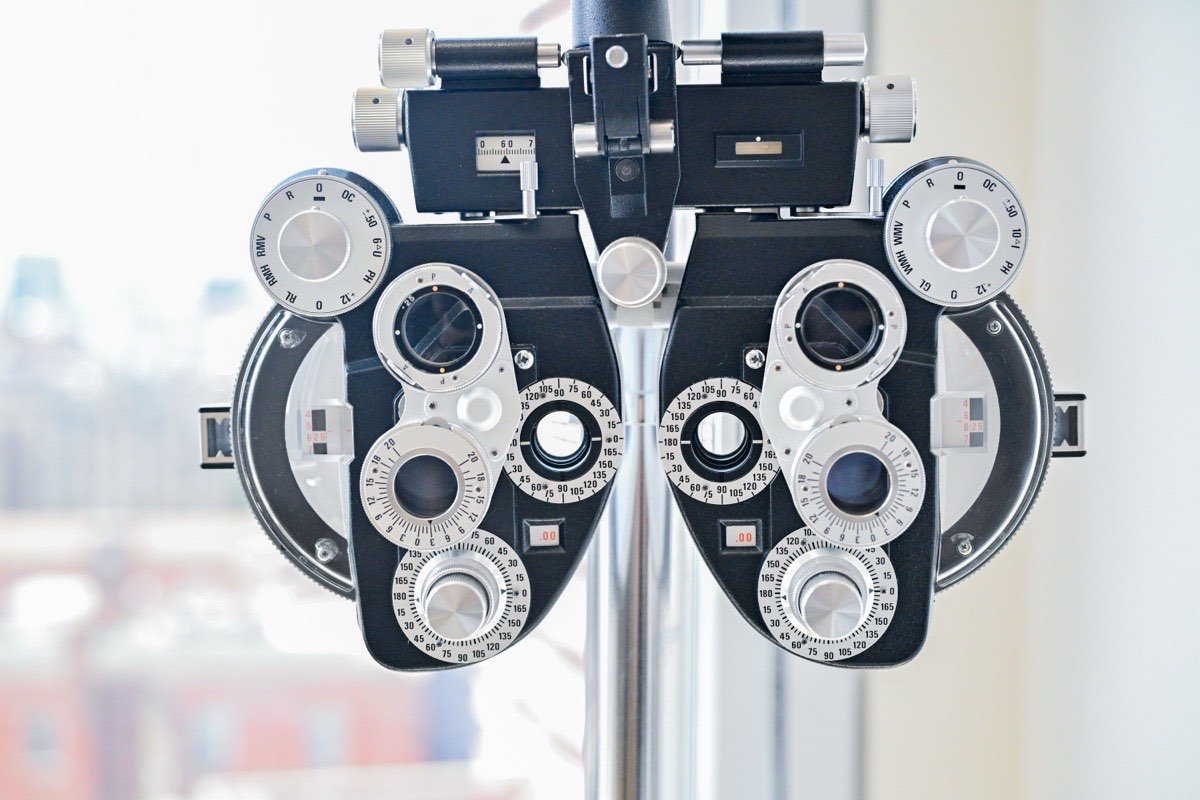
诊所内的综合验光仪,用于测量儿童的近视与散光度数
综合验光仪Phoropter逐步比对镜片,确定近视、远视与散光的度数,也用于散瞳验光后的复核,是追踪档案里最核心的数据来源。Comparing lens by lens to establish myopia, hyperopia and astigmatism — and to confirm the reading after cycloplegia. This is the core data source in the tracking record.
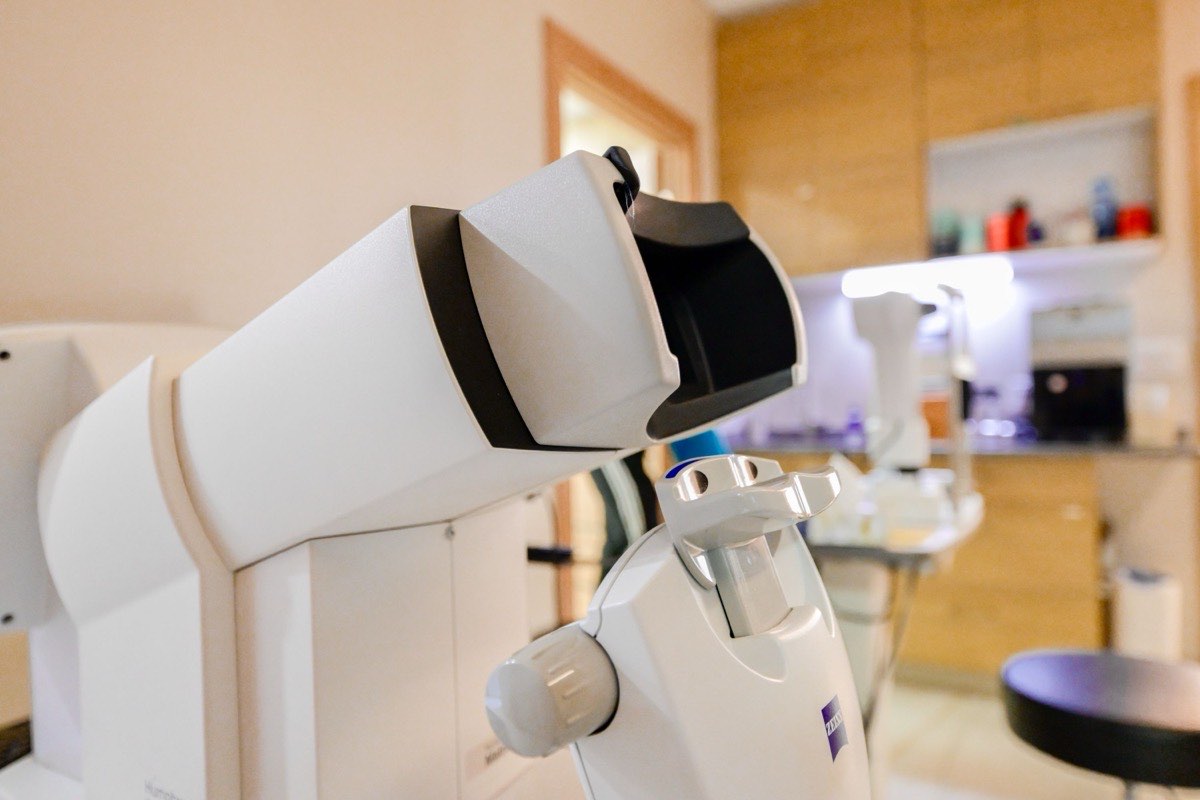
超广角眼底相机,用于拍摄大范围视网膜影像
超广角眼底相机Ultra-widefield retinal camera拍摄涵盖大范围视网膜的高清影像,多数情况下无需散瞳,便于检查近视加深后周边视网膜是否出现变薄、裂孔等变化,并留存影像逐年对照。High-definition images covering a wide sweep of the retina, in most cases without dilation — useful for checking whether an elongated eye is showing peripheral thinning or tears, and for year-on-year comparison.
明亮的检查室,内有视野检查仪等眼科检查设备
明亮的检查室A bright, well-equipped exam room视野检查与其他检查设备集中在同一空间,减少孩子来回移动与等待的时间;环境明亮、步骤清楚,孩子比较容易配合。Visual-field testing and the other instruments sit in one room, so there is less moving about and less waiting. A bright space and clearly explained steps make it easier for a child to cooperate.
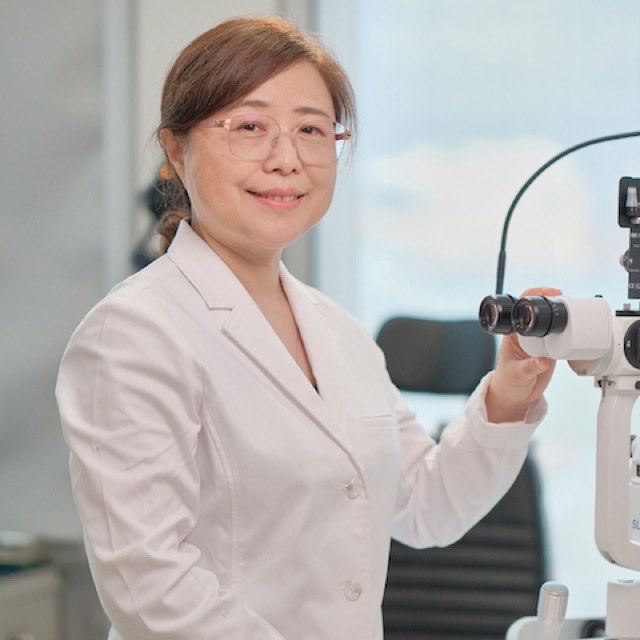
张敏博士 Dr. Min Zhang,视光学博士与视觉科学博士,张敏眼科创办人

主诊医师Meet your doctor

为什么把孩子的近视交给张敏博士Why trust your child's myopia to Dr. Min Zhang

张敏博士 Dr. Min Zhang, OD, PhD · 视光医师 · 视觉科学博士 · 诊所创办人Dr. Min Zhang, OD, PhD · Optometrist · PhD in Vision Science · Founder

近视控制刚好是同时需要临床判断与研究素养的领域:既要看懂视力与屈光数据逐年变化的趋势,也要在多种方案之间为个别孩子做取舍。张敏博士同时拥有视光学博士(OD)与视觉科学博士(PhD)学位,正是把这两件事结合起来。Myopia control sits exactly where clinical judgement meets research literacy: reading the year-on-year trend in vision and refraction, then choosing between several options for one particular child. Holding both a Doctor of Optometry (OD) and a PhD in vision science, Dr. Zhang brings the two together.

  • OD + PhD:新英格兰视光学院视光学博士;中山大学眼科中心视觉科学博士。OD + PhD: Doctor of Optometry, New England College of Optometry; PhD in vision science, Zhongshan Ophthalmic Center, Sun Yat-sen University.
  • 科研背景:曾于杜克大学眼科中心、康奈尔大学医学院、加州大学戴维斯分校眼科中心与北京同仁眼科中心从事博士后研究,长期关注视觉科学的新进展。Research background: postdoctoral research at Duke University Eye Center, Weill Cornell Medical College, UC Davis Eye Center and Beijing Tongren Eye Center, with a continuing interest in advances in vision science.
  • 团队协作:王杰米博士(OD)专注全面眼科检查、近视控制与儿科视光学,曾任纽约州立大学视光学院临床助理讲师,并参与以智能手机应用程序进行近视筛查的研究。A team approach: Dr. Jamie Wang (OD) focuses on comprehensive exams, myopia control and pediatric optometry; a former clinical instructor at the SUNY College of Optometry, she has worked on research into smartphone-based myopia screening.
  • 中英双语:以家长与孩子都听得懂的语言解释检查结果、方案原理与每天的护理步骤——孩子明白了,配合度才会高。Bilingual care: results, how each option works and the daily care routine explained in the language both parent and child understand — a child who understands is a child who cooperates.
  • 公开专栏:张敏医师长期在《大纪元》撰写与受访眼科健康专栏,其中包含青少年近视防治、角膜塑形镜验配与儿童视力的主题。Published columns: Dr. Zhang has written for and been interviewed by The Epoch Times over many years, including columns on childhood myopia, Ortho-K fitting and children's vision.

阅读张敏医师关于青少年近视防治的专栏文章Read Dr. Zhang's columns on childhood myopia

常见问题Frequently asked questions

孩子几岁可以开始做近视控制评估?At what age can a child start a myopia control assessment?

只要孩子能配合基本的视力检查就可以开始追踪。张敏医师在专栏中建议儿童自 3–4 岁起每年接受一次眼科检查;一旦检查发现已经近视,或度数在一年内明显加深,就应该进一步做近视控制评估。开始得越早,医师越能掌握孩子的发展趋势。至于具体适合哪一种方案,需要经过检查后判断,请与张敏博士当面评估。Tracking can begin as soon as a child can cooperate with basic vision testing. Dr. Zhang's columns recommend an annual eye examination from around age three to four; once an examination shows myopia, or a clear increase within a year, a fuller myopia control assessment is appropriate. The earlier this starts, the clearer the trend becomes. Which option suits your child is a clinical judgement — please arrange an in-person assessment with Dr. Zhang.

近视能治好或逆转吗?Can myopia be cured or reversed?

不能。近视主要是眼轴变长造成的结构性变化,目前没有任何眼镜、眼药水、按摩或视力训练可以让眼轴缩回去、让度数完全消失。近视控制的目标是减缓度数继续加深的速度,降低日后发展成高度近视与相关眼病的风险。若看到声称能根治或逆转近视的说法,建议先与眼科医师确认。No. Myopia is largely a structural change from an elongated eye, and no spectacles, drops, massage or vision exercises can shorten the eye again or make the prescription disappear. The goal of myopia control is to slow further progression, and with it the risk of high myopia and its associated eye disease later on. If you see a claim that myopia can be cured or reversed, check it with an eye doctor first.

角膜塑形镜(Ortho-K)安全吗?要怎么护理?Is Ortho-K safe, and how are the lenses cared for?

角膜塑形镜是需要专业验配与定期复查的硬式隐形眼镜,风险主要来自清洁或配戴不当造成的角膜感染与损伤。因此必须每天按医师指示清洁与保存镜片、使用指定护理液(不可用自来水冲洗)、按时更换镜盒与镜片,并在出现疼痛、红眼、畏光或视力下降时立即停戴回诊。孩子的角膜条件是否适合、以及日常护理的细节,请与张敏博士当面评估。Ortho-K lenses are rigid contact lenses that require professional fitting and regular review; the main risks come from corneal infection or damage caused by improper cleaning or wear. That means cleaning and storing the lenses exactly as instructed every day, using only the prescribed solution (never tap water), replacing case and lenses on schedule, and stopping wear and returning to the clinic immediately if there is pain, redness, light sensitivity or reduced vision. Whether your child's corneas are suitable, and what the daily routine involves, is best discussed in person with Dr. Zhang.

已经开始近视控制方案,还需要定期复查吗?If a plan has already started, are follow-up visits still needed?

需要,复查本身就是方案的一部分。孩子的眼睛仍在发育,医师需要透过复查比对视力与屈光度的变化,判断目前方案是否有效、是否需要调整镜片或用药,同时检查角膜与眼表的健康状况。复查的间隔会依孩子的年龄、目前的进展速度与所使用的方案,由医师在每次检查后为孩子安排。Yes — follow-up is part of the plan, not an optional extra. A child's eyes are still developing, so the doctor needs to compare vision and refraction at each visit to judge whether the current approach is working, whether lenses or drops should be adjusted, and whether the cornea and ocular surface remain healthy. The interval depends on the child's age, the current rate of progression and the option in use, and is set by the doctor at each visit.

孩子怕点眼药水、也不想戴镜片,怎么办?My child is afraid of eye drops and does not want lenses. What then?

这很常见,也是选择方案时会一并考虑的因素。不同方案对配合度的要求差异很大:夜戴的角膜塑形镜需要每天取戴与清洁,离焦框架镜片外观与一般眼镜相近、日常负担最小,滴眼液则只需睡前点用。我们会先让孩子了解每一个步骤在做什么,并从他比较能接受的方式开始,初期由家长协助操作。若尝试后仍有困难,请回诊与张敏博士讨论调整方案。This is common, and it is one of the factors weighed when choosing an approach. The options differ a great deal in what they ask of a child: overnight Ortho-K needs daily insertion, removal and cleaning; defocus spectacle lenses look like ordinary glasses and demand least; drops only need to be used at bedtime. We explain each step to the child first and start with whatever they can accept, with a parent helping at the beginning. If it still proves difficult, come back and discuss adjusting the plan with Dr. Zhang.

每天户外活动真的对近视有帮助吗?Does daily outdoor time really help?

有帮助,而且是最容易执行的一项。张敏医师在专栏中引述的研究指出,近视与户外阳光照射不足的关系,比与读书或使用电子产品更密切;她建议孩子每天累积约两小时户外活动,重点是在自然光下,而不是在室内。户外时间不能取代近视控制方案,但可以与方案互补,对还没有近视的孩子也有预防作用。It does, and it is the easiest measure to adopt. The research Dr. Zhang cites in her columns indicates that myopia is more closely linked to a lack of time outdoors in daylight than to reading or screen use; she recommends around two hours outdoors daily, in natural light rather than indoors. Outdoor time does not replace a myopia control plan, but it complements one — and helps children who are not yet myopic.

相关服务Related services

近视控制之外,全家人的眼睛健康也在同一间诊所照护。Beyond myopia control, the whole family's eye health is looked after in the same office.

  • 全面眼科检查Comprehensive Eye Exams

    孩子与家人的年度检查:视力与屈光测量、眼压、眼底与视野评估,及早发现问题。Annual exams for children and adults: vision and refraction, eye pressure, retinal and visual-field assessment.

    查看全面眼科检查View comprehensive eye exams
  • 眼病诊治Eye Disease Management

    高度近视相关的视网膜与青光眼风险,以及白内障、黄斑变性、干眼症的诊断与长期追踪。Retinal and glaucoma risks linked to high myopia, plus cataracts, macular degeneration and dry eye.

    查看眼病诊治服务View eye disease management
  • 隐形眼镜与配镜Contacts & Eyewear

    隐形眼镜验配与配戴指导,以及由持证配镜师协助挑选、调校孩子日常使用的镜架。Contact lens fitting and handling instruction, plus frames selected and adjusted by our licensed optician.

    查看隐形眼镜与配镜服务View contacts and eyewear

查看六项服务的完整介绍与保险说明See all six services and how insurance works。我们接受大多数保险计划,建议预约时来电告知保险资讯,我们会先为您查询适用情况。. We accept most insurance plans; please call with your details when booking so we can verify your benefits in advance.

想知道孩子的近视是不是在加深?Wondering whether your child's myopia is progressing?

来电或线上预约,张敏博士会先为孩子完成一次完整的眼科与屈光检查,再和您一起讨论下一步。度数无法回头,但现在开始追踪永远不算晚。Call or book online. Dr. Zhang will complete a full eye and refractive examination for your child, then discuss the next step with you. The prescription cannot be undone — but it is never too late to start tracking it.